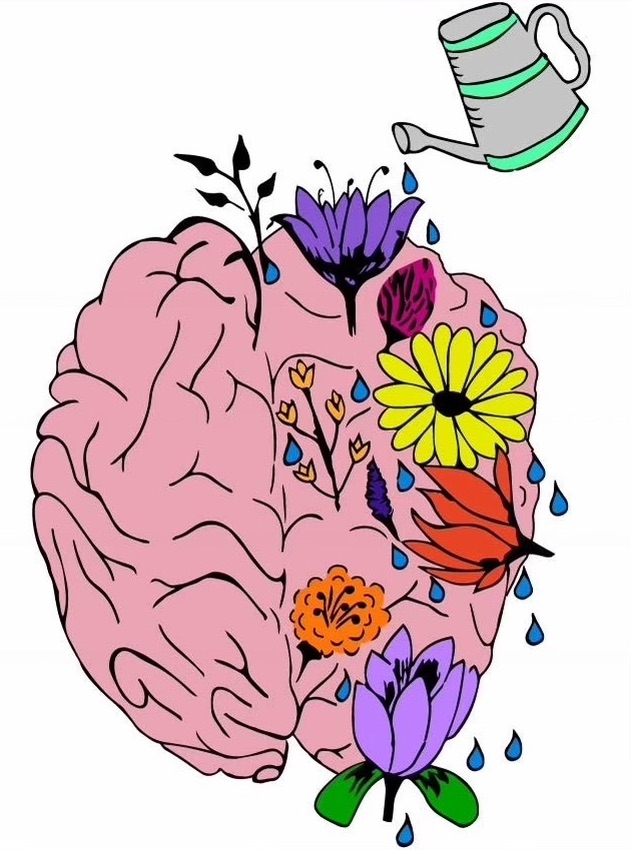
We’re looking for people who want to understand how nature shapes the mind — and who care as much about the science as about what it’s for.
If the following attributes describe you, you may be a great fit for our lab:

We therefore strive to hold ourselves accountable to the highest standards of scientific rigor, transparency, and integrity.
We offer one another grace and understanding as often as possible, and view failures and missteps as valuable learning opportunities. We see constructive and respectful feedback for what it is — one of the greatest gifts we can bestow upon one another for personal and professional growth.
We ask for help when we need it and we offer help when we can provide it. We are like the water that ebbs and flows in our needs and capabilities.
We see and value one another as whole humans — scientists who have a wide variety of personal and professional identities, experiences, and backgrounds. These differences make us strong.
We have no fear of boldly naming our vision of the world we seek to build, however the problems we are solving are too important to let individual ego or glory get in the way of seeking truth.
We are honest to the best of our ability about our bandwidths, our goals, and our needs. We are proactive in addressing our own needs, and clear with one another about expectations.
We are deeply invested in the success of the lab, and all individual members within it. We do everything we can to help one another on our individual journeys, and everything we can to help the team succeed.
The scientific process is hard work, but it can also be joyful work. We experience and inspire this joy with one another as often as possible.
We’re always looking for dedicated undergraduate research assistants. We don’t currently have paid positions available, but you may be able to earn course credit for your work in the lab, and Dr. LoTemplio is happy to oversee students completing an honors thesis.
The lab periodically recruits fully-funded PhD students (5-year appointments, including summers). Dr. LoTemplio can advise through through UVM’s psychological science programs or through the Rubenstein School of Environment and Natural Resources. The typical cycle: email Dr. LoTemplio with a CV and statement of interest by December 1 for the following fall’s cohort; strong matches are invited to formally apply to the graduate program, with interviews in January/February and admission decisions in March/April. Openings vary year to year — Dr. LoTemplio is currently NOT accepting applications in psychology or the Rubenstein School for the upcoming Fall 2027 cycle. Dr. LoTemplio can also sometimes advise graduate students in the NGP program, either on rotation or permanently. For more information about this program, please see the NGP program website.
The lab doesn’t currently have dedicated funding for a postdoctoral scholar. If your research interests align well with the lab’s focus on nature, cognition, and health, Dr. LoTemplio is glad to discuss pursuing outside fellowship funding (e.g., NSF, NIH, or foundation postdoctoral fellowships) together.